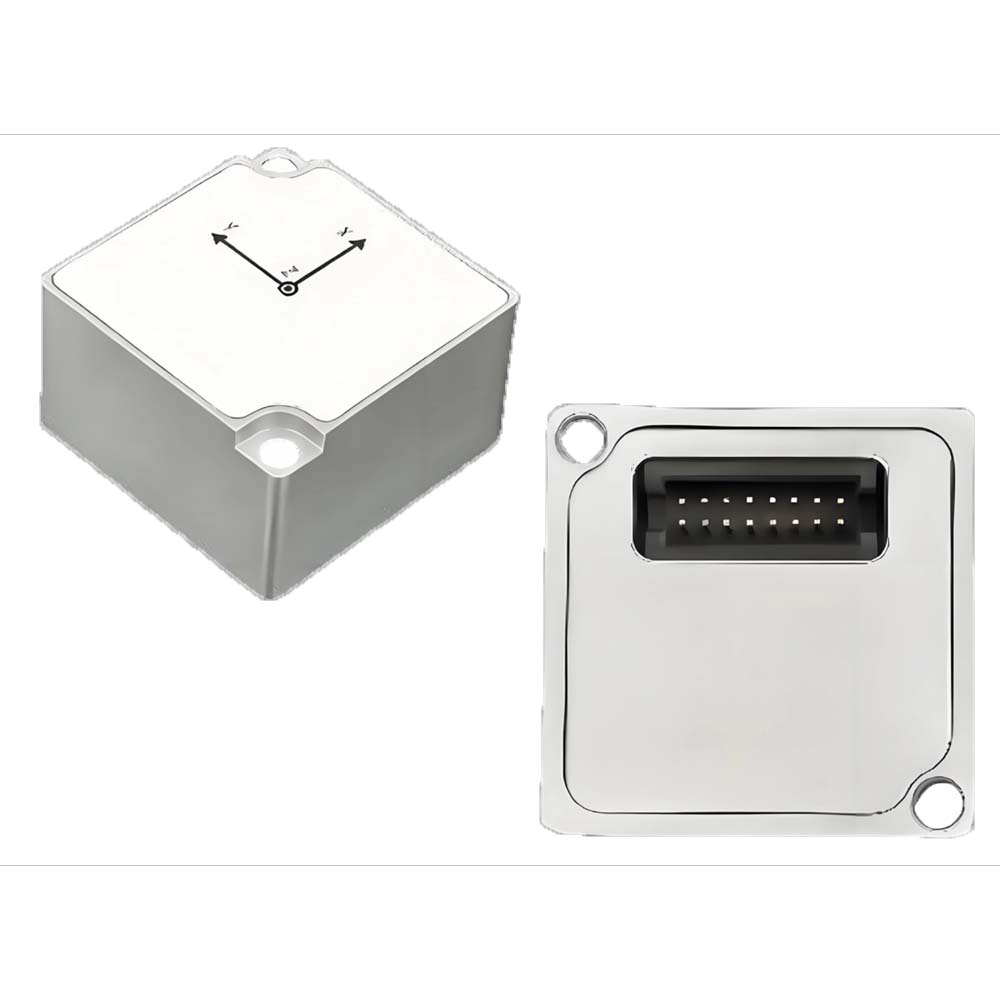
U4500系列传感器由高性能战术级MEMS-IMU设计的IMU/VRU/MRU/AHRS/INS系统组成,并配备了自主开发的自适应扩展卡尔曼滤波、IMU噪声动态分析算法、垂荡估计算法、载波运动状态分析算法和GNSS融合算法,可为用户提供精确的位置、姿态、速度等信息。
U4500系列传感器通过UART/CAN接口传输数据,并具有丰富的用户配置选项。(CAN接口需要外接收发器)
U4500系列可以通过外部触发与系统同步,可以接收UTC时间,还可以通过同步输出功能与雷达、摄像机等外部系统对齐时间。
多功能上位机(GUI)可以帮助快速评估产品,这些功能包括但不限于模块配置、数据显示、固件升级、数据记录等。
零件编号 :
U4500-D订单(最小起订量) :
1提前期 :
5产品系列及参数
| 融合参数 | 健康)状况 | U4500-A | U4500-B | U4500-C | U4500-D | 单元 |
| 俯仰/横滚)① | 0.05(标称值),0.1(最大值) | ° | ||||
| 解决 | 0.01 | ° | ||||
| 标题(VRU/MRU))① | 0.2(标称值),0.3(最大值) | ° | ||||
| 标题(AHRS)② | 0.5(标称值),2(最大值) | |||||
| 解决 | 0.01 | |||||
| 开始时间 | IMU/VRU | 2 | s | |||
| MRU(静态) | 60 | |||||
| MRU(海) | 180 | |||||
| 举起 | / | 5/5%(标称值) | cm | |||
| 隆起期 | 1~10(标称值) | s | ||||
| 笔记: ①:转盘旋转测试。 ②:在经过地磁校准后,周围没有磁场干扰的情况下进行测量,并且产品需要配置为AHRS模式。 |
||||||
| 陀螺仪 | 健康)状况 | U4500-A | U4500-B | U4500-C | U4500-D | 单元 |
| 测量范围 | ±300 | 度/秒 | ||||
| 解决 | 16 | 少量 | ||||
| 线性误差① | 300°/秒 -40℃-110℃ 100°/s -40℃-110℃ |
±0.15(标称值),±0.3(最大值) | 度/秒 | |||
| 横轴误差 | ±0.15(最大值) | % | ||||
| 3dB带宽 | 235(标称值),250(最大值) | Hz | ||||
| 采样率 | 1000 | Hz | ||||
| 噪声密度 | XY:0.0004 Z:0.0006 |
(°/s)/√Hz | ||||
| 零偏差不稳定性② | 艾伦方差 | 0.3 | °/h,1σ | |||
| 零偏稳定性 | 10秒平滑 | 0.5 | °/h,1σ | |||
| 零偏差重复性 | 0.8 | °/h,1σ | ||||
| 角度随机游走③ | 艾伦方差 | XY:0.015 Z:0.025 |
°/√Hz,1σ | |||
| 全温零偏压 | -40-85℃ | XY:0.25(最大值) Z:0.01(标称值),0.03(最大值) |
度/秒 | |||
| 加速度计灵敏度 | 对于恒定的重力输入 | 0.00075 | °/s/g | |||
| 笔记: ①:线性误差是指在指定范围内,测量值与由测量值确定的最佳拟合线之间的最大偏差。 ②:将艾伦方差的最小值除以 0.664 得到的值。测量时,采用 13 Hz 低通滤波器设置和 200 Hz 采样率,并且在开始数据采集之前应有 15 分钟的稳定时间,以确保完全的热稳定性。 ③:角随机游走是一个白噪声项,根据时间常数 τ = 1 秒的艾伦偏差进行估计。 |
||||||
| 加速度计 | 健康)状况 | U4500-A | U4500-B | U4500-C | U4500-D | 单元 |
| 测量范围 | ±16 | g | ||||
| 解决 | 16 | 少量 | ||||
| 初始零偏差 | 2 | mg | ||||
| 线性误差① | 8克 -40℃-110℃ | ±3(标称值),±15(最大值) | mg | |||
| 1克 -40℃-110℃ | ||||||
| 横轴误差 | ±0.15(最大值) | % | ||||
| 3dB带宽 | 210(标称值),235(最大值) | Hz | ||||
| 采样率 | 1000 | Hz | ||||
| 噪声密度 | 0.0008 | m/s2/√Hz,1σ | ||||
| 零偏差不稳定性② | 艾伦方差 | 0.01 | mg | |||
| 零偏稳定性 | 10秒平滑 | 0.03 | mg | |||
| 零偏差重复性 | 0.04 | mg | ||||
| 角度随机游走③ | 艾伦方差 | 0.03 | 米/秒√h,1σ | |||
| 全温零偏压 | -40-85℃ | 0.5(标称值),2(最大值) | mg | |||
| 笔记: ①:线性误差是指在指定范围内,测量值与由测量值确定的最佳拟合线之间的最大偏差。 ②:将艾伦方差的最小值除以 0.664 得到的值。测量时,采用 13 Hz 低通滤波器设置和 200 Hz 采样率,并且在开始数据采集之前应有 15 分钟的稳定时间,以确保完全的热稳定性。 ③:角随机游走是一个白噪声项,根据时间常数 τ = 1 秒的艾伦偏差进行估计。 |
||||||
| 磁力计 | 健康)状况 | U4500-A | U4500-B | U4500-C | U4500-D | 单元 |
| 范围 | / | ±20 | 高斯 | |||
| 噪音 | / | 450 | nT | |||
| 线性 | / | 20 | uT | |||
| 温度传感器 | 健康)状况 | U4500-A | U4500-B | U4500-C | U4500-D | 单元 |
| 范围 | -40 – 135 | ℃ | ||||
| 偏移误差 | ±1 | ℃ | ||||
| 晴雨表 | 健康)状况 | U4500-A | U4500-B | U4500-C | U4500-D | 单元 |
| 范围 | / | 300~1200 | 百帕 | |||
| 解决 | / | 0.006 | 百帕 | |||
| 准确性 | / | ±0.06 | 百帕 | |||
| 机械/环境 | 健康)状况 | U4500-A | U4500-B | U4500-C | U4500-D | 单元 |
| 电源 VDD | 3.6 - 5.5 | V | ||||
| 功耗 | 370(最大值) | mW | ||||
| 卷 | 0.4(最大值) | V | ||||
| VOH | 2.6(分钟) | V | ||||
| 维尔 | -0.3(最小值),1(最大值) | V | ||||
| VIH | 1.9(最小值),3.6(最大值) | V | ||||
| 工作温度 | -125 | ℃ | ||||
| 储存温度 | -165 | ℃ | ||||
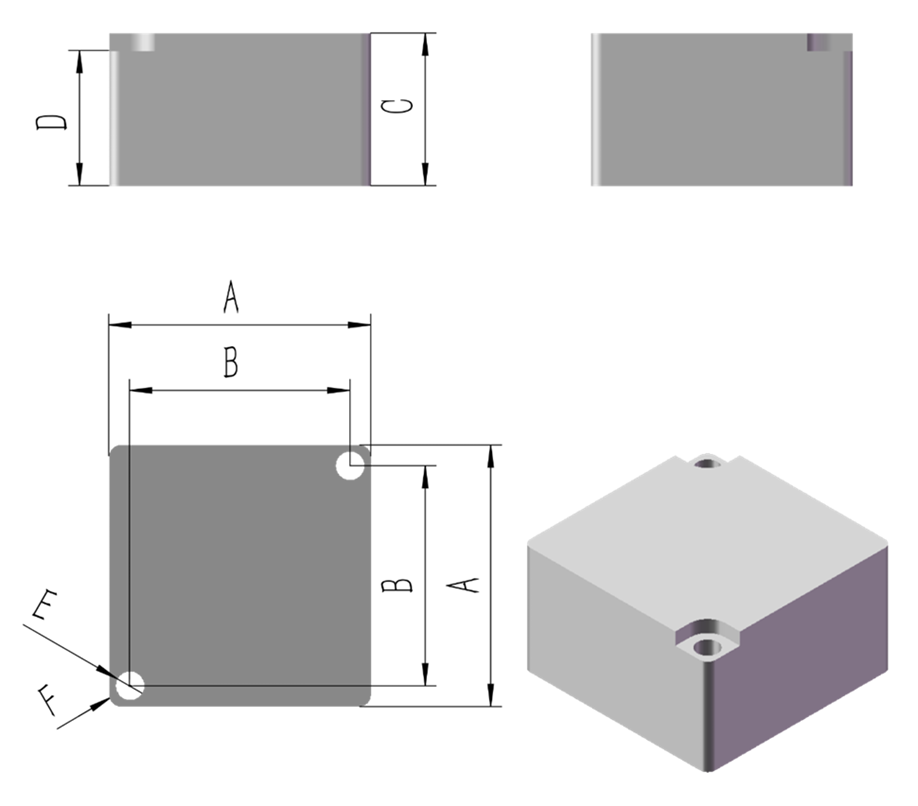
| 方面 | 24x24x14 | mm | ||||
| 壳体材料及工艺 | 铝合金CNC | |||||
| 环境保护 | RoHS 指令 2011/65/EU | |||||
| EMC | 低电压指令 2014/35/EU | |||||
| 跌落测试 | 在75厘米高的实验平台上自由落体3次 | |||||
| 温度冲击 | 在1小时内将温度从-40℃升至85℃,共5次 | |||||
| 平均故障间隔时间 | 30000 | h | ||||
| 机械冲击 | 10000 | g | ||||
| ESD HBM | 2千伏 | JEDEC/ESDA JS-001 | ||||
| 界面 | 健康)状况 | 敏 | 普通的 | 最大限度 | 单元 | |
| UART1/UART2 UART3 能 |
波特率 | 9600 | 115200 | 921600 | bps | |
| 起始位置 | 0 | 100 | 1000 | Hz | ||
| 115200 | bps | |||||
| 波特率 | 125 | 500 | 1000 | 千比特/秒 | ||
| 输出帧速率 | 0 | 100 | 200 | Hz |
生产过程
产品尺寸
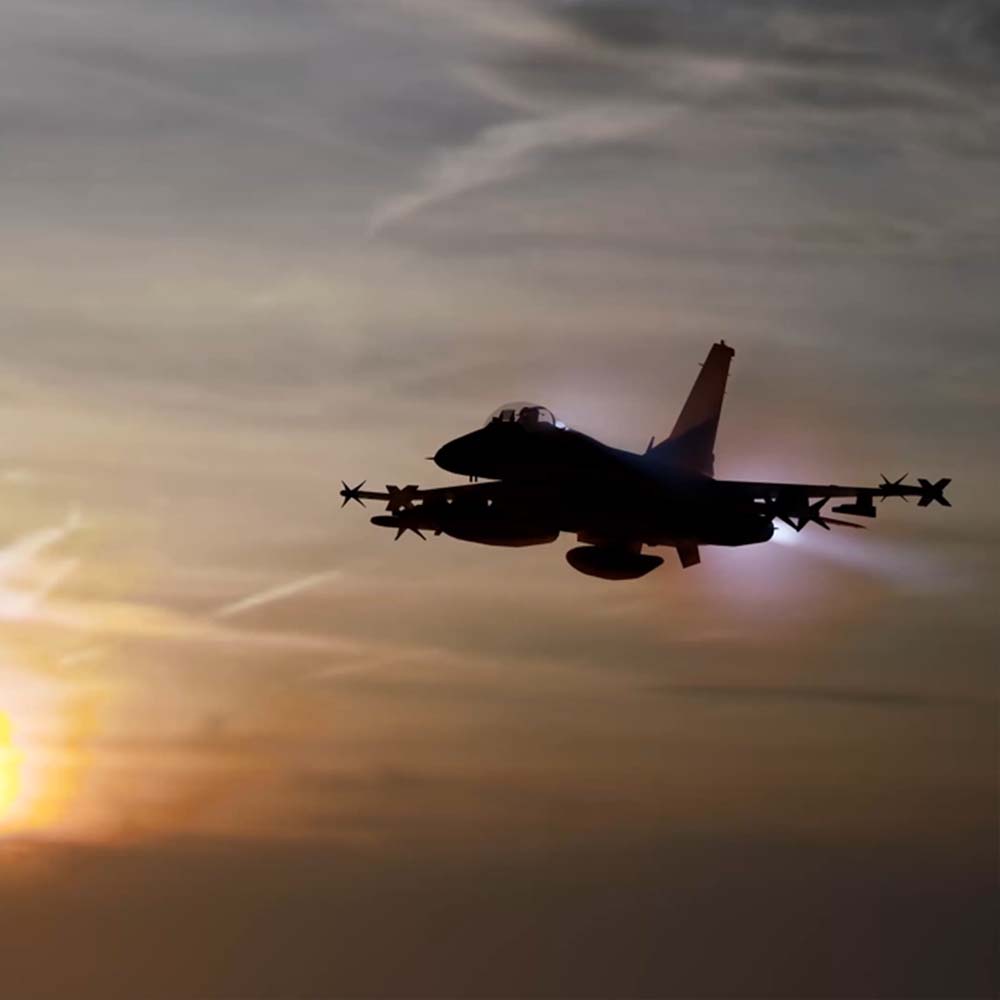
应用场景

常问问题
1. U4500 是用来做什么的?
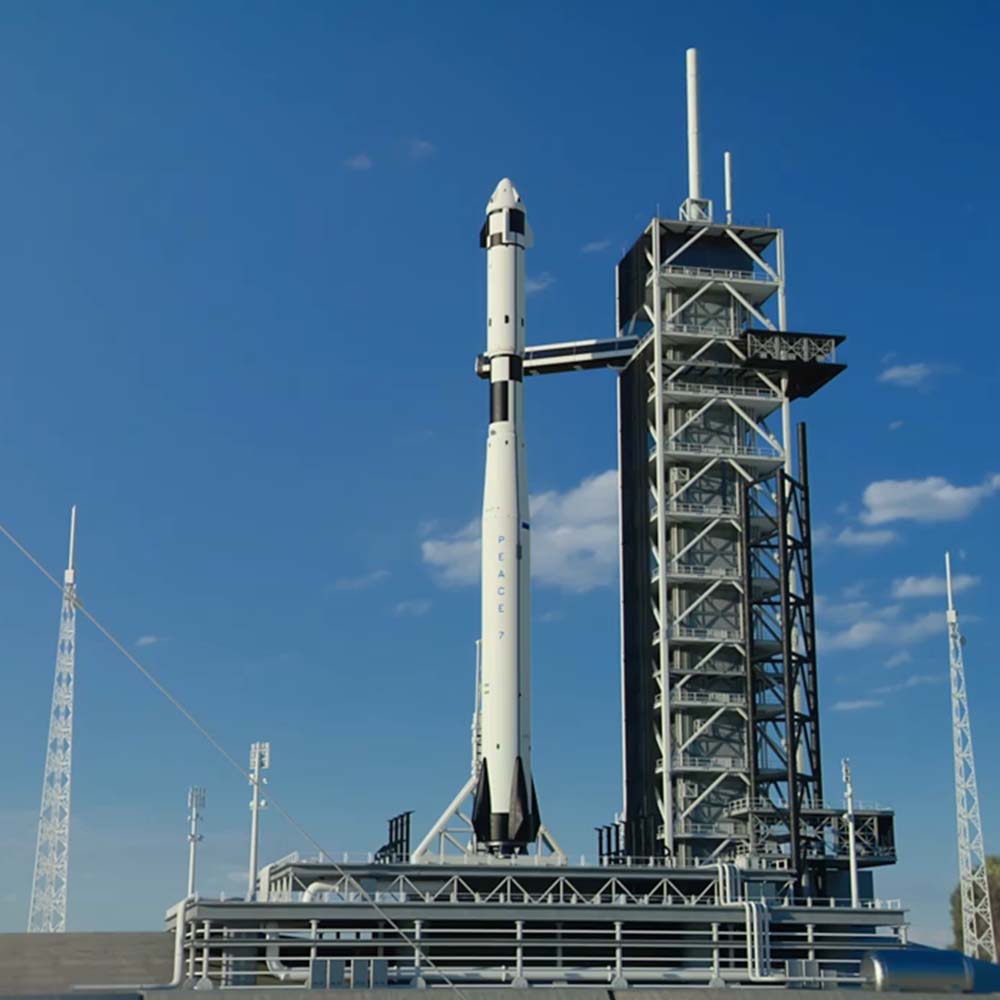
U4500 是一款战术级 MEMS IMU / VRU / MRU / AHRS / INS 传感器,专为无人机姿态参考、低速无人机器人、地下仪器、主动波浪补偿、船舶姿态控制、动态定位、平台稳定和建筑机械而设计。
2. U4500 支持哪些接口?
U4500 支持 UART 和 CAN 接口。使用 CAN 总线需要外部 CAN 收发器。
3. U4500 能提供哪些功能?
U4500 集成了 IMU、VRU、MRU、AHRS 和 INS 等多种功能。它可以输出加速度、角速度、地磁场、气压、欧拉角、四元数、垂荡,并且在连接到外部 GNSS 时,还可以输出位置、速度、姿态和时间信息。
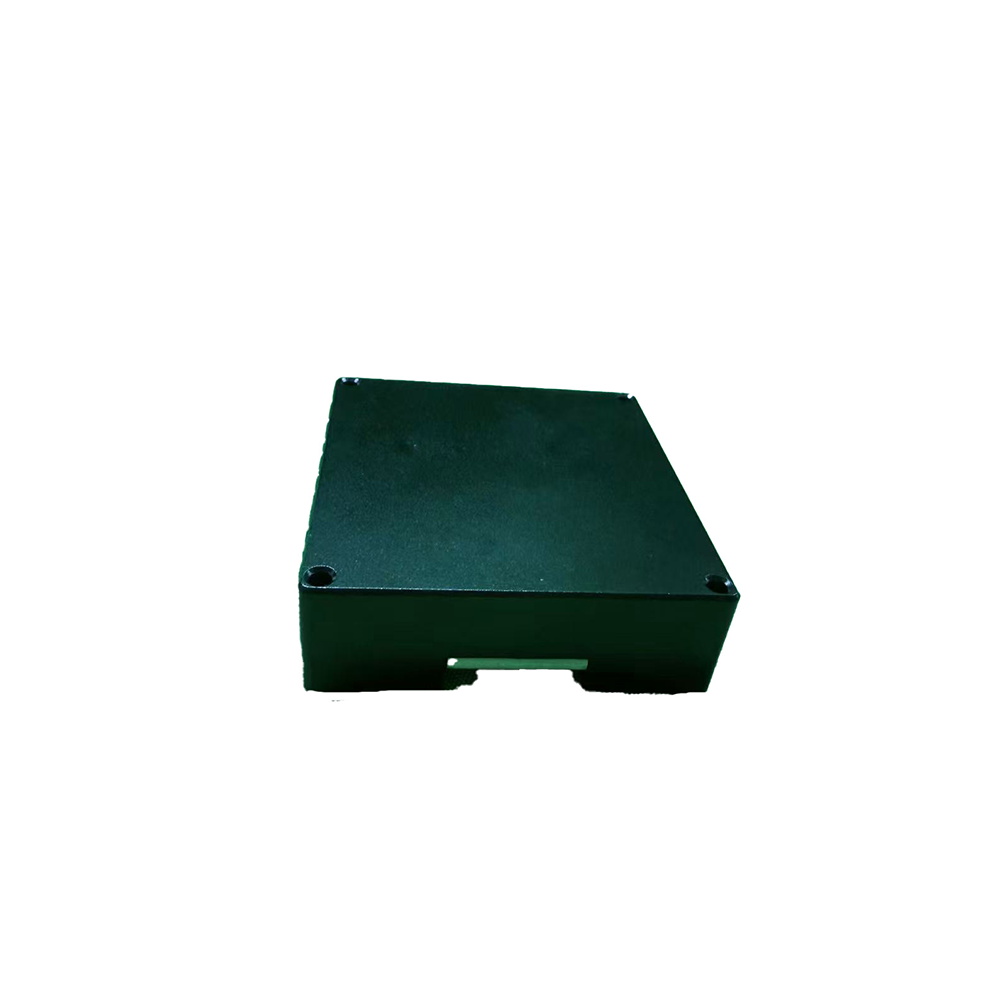
U16488 是我们自主研发的十轴 MEMS 惯性传感器模块。它由三轴陀螺仪、三轴加速度计、三轴磁力计和气压计组成,具有高精度和高分辨率,能够捕捉细微的振动和倾斜。强大的程序输出使其能够感知大动态范围内的动作。所有模块出厂前均经过超宽温度范围的精密温度补偿和独立校准,确保每个模块在各种极端工作条件下都能稳定运行,并保证产品性能的高度一致性。
查看更多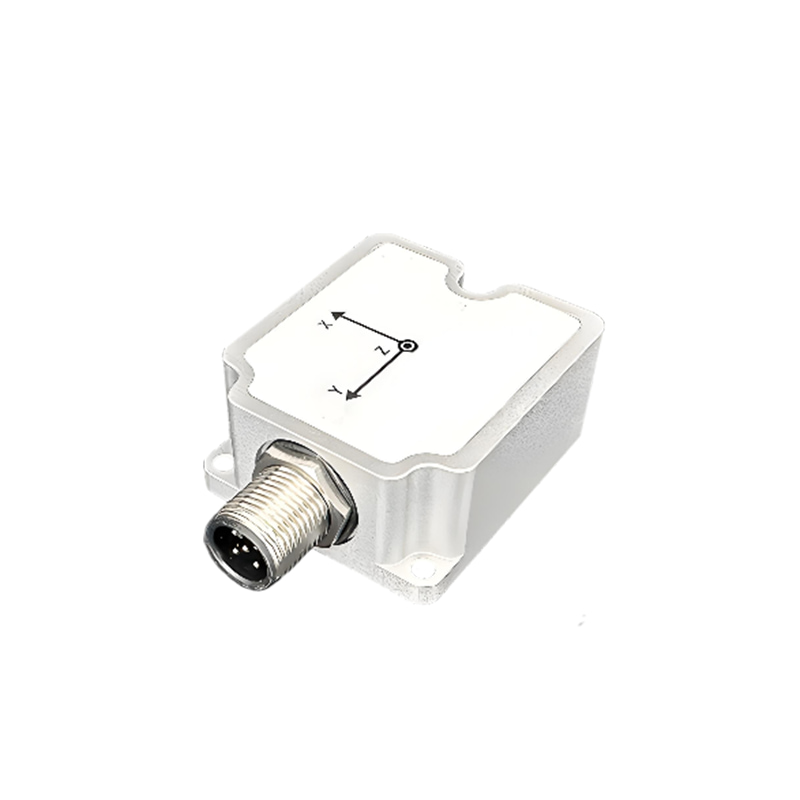
U3700系列是一款IMU/VRU/AHRS传感器,由阵列式MEMS-IMU和磁力计组成。它配备了自主研发的自适应扩展卡尔曼滤波、IMU噪声动态分析算法和载体运动状态分析算法,能够在高动态条件下满足姿态角精度要求,并降低航向角漂移。 每个传感器在出厂前都会经过精细的补偿,包括温度、零点偏差、比例因子和交叉轴补偿。 U3700系列传感器可通过UART(RS-232/TTL)、RS-485、CAN等多种接口传输数据,并具备丰富的用户配置选项。U3700系列可通过外部触发与系统同步,也可通过同步输出功能与雷达、摄像头等外部系统同步。多功能上位机(GUI)可帮助用户快速评估产品,功能包括但不限于模块配置、数据显示、固件升级、数据记录等。
查看更多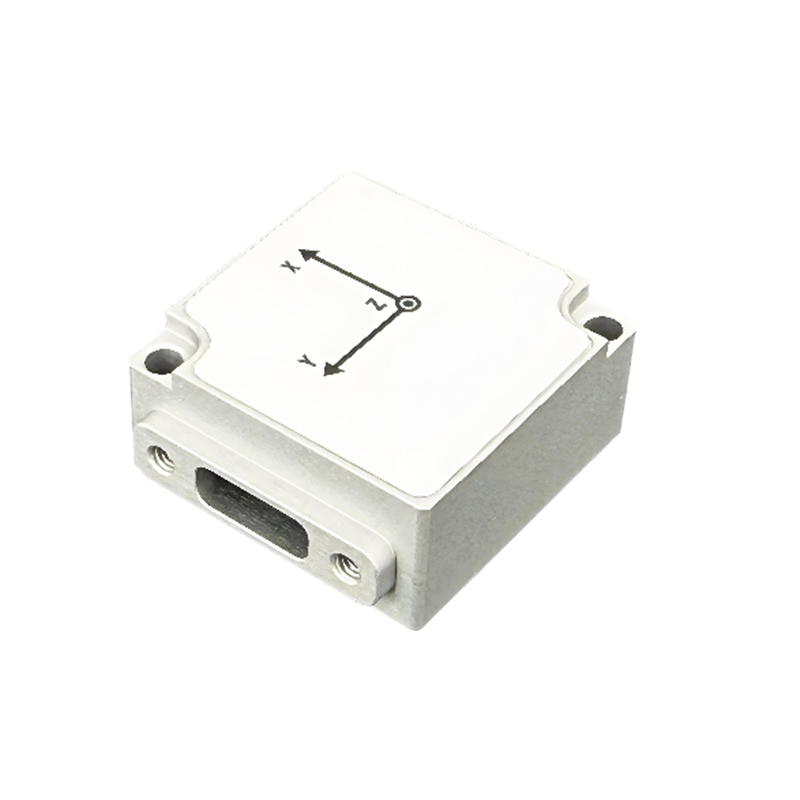
U3600系列产品是由阵列式MEMS-IMU、磁力计和气压计组成的IMU/VRU/AHRS传感器,并配备了自主研发的自适应扩展卡尔曼滤波、IMU噪声动态分析算法和载体运动状态分析算法,能够满足高动态条件下的姿态角精度要求,并降低航向角漂移。 所有传感器在出厂前均经过精细补偿,包括温度补偿、零点偏差补偿、比例因子补偿和交叉轴补偿。U3600系列传感器通过USB接口传输数据,并具有丰富的用户配置选项。多功能上位机(GUI)可帮助用户快速评估产品,包括但不限于模块配置、数据显示、固件升级、数据记录等。
查看更多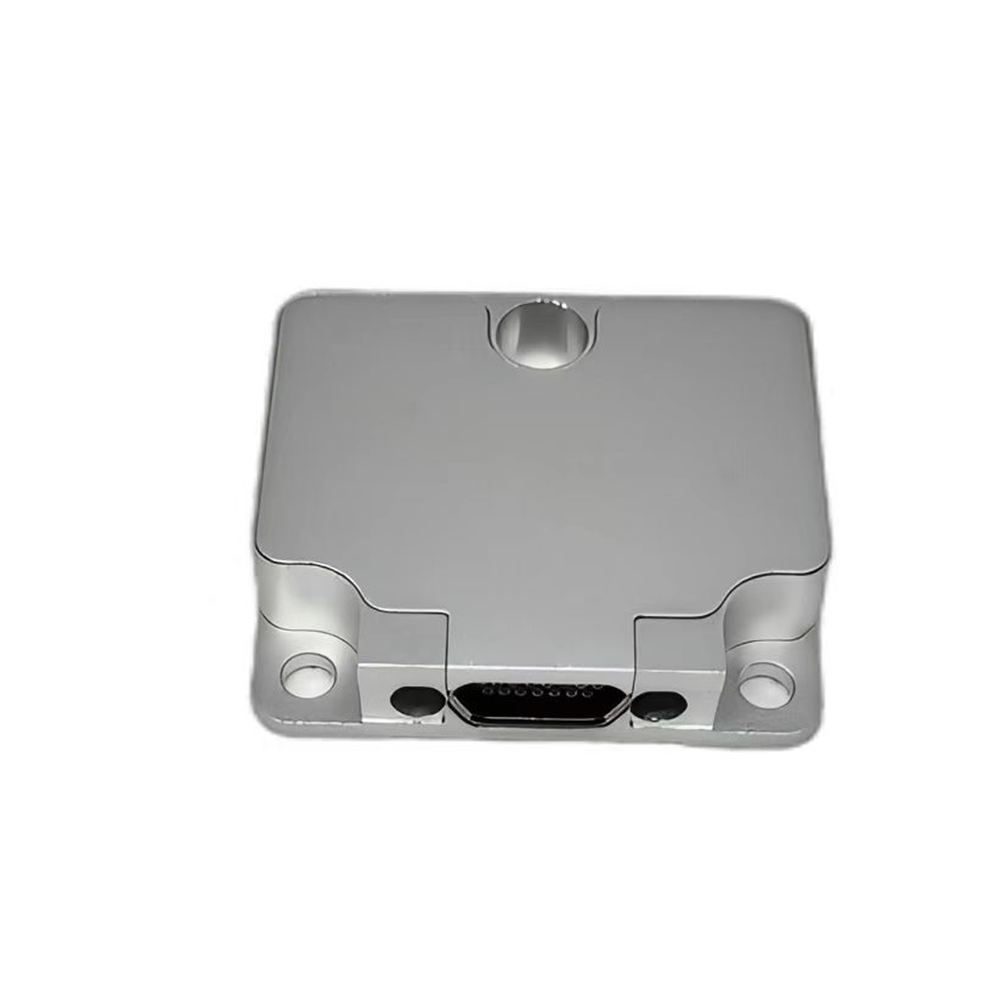
U6300 IMU 是一款基于微机电系统 (MEMS) 技术的惯性测量单元 (IMU)。它内置高性能三轴 MEMS 陀螺仪和三轴 MEMS 加速度计,支持输出角速度、加速度和姿态角等信息。 U6300 具有高可靠性和强大的环境适应性,是 STIM300 的理想替代品。它通过了最严格的测试,在噪声、零点稳定性、非线性和温度漂移方面均表现出色。该产品可广泛应用于智能驾驶、工程、民用及特种无人机、AGV(自动导引车)、铁路、移动通信和人员导航等领域。
查看更多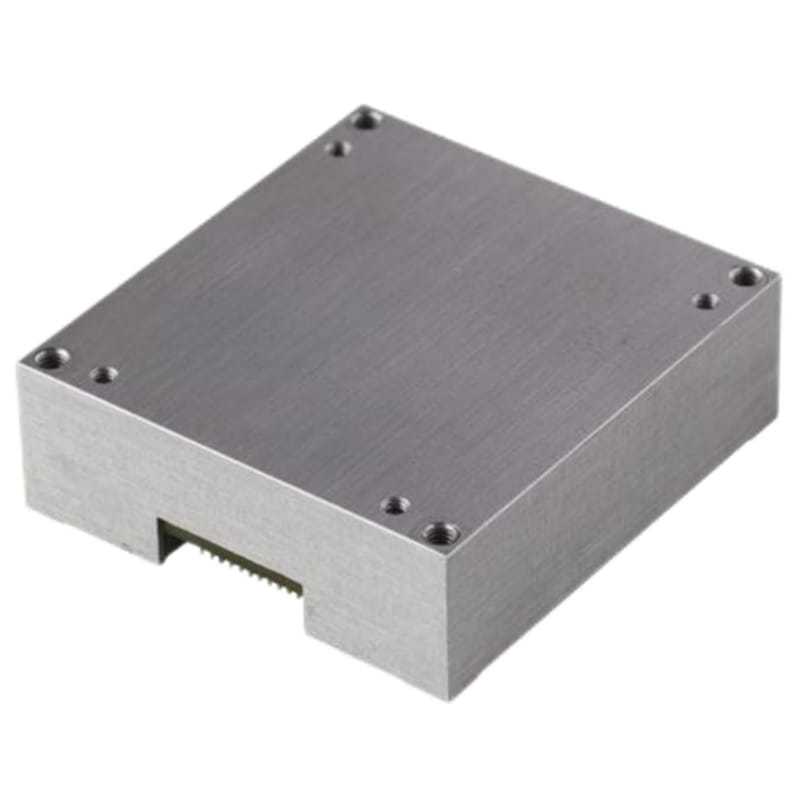
U6488系列惯性测量单元(IMU)内置三轴陀螺仪和三轴加速度计,用于测量载体的三轴角速率和三轴加速度。经误差补偿(包括温度补偿、安装偏差补偿、非线性补偿等)后,陀螺仪和加速度计的数据通过串口按照约定的通信协议输出。它们可用于载体的精确导航、控制和动态测量。本产品采用高精度MEMS惯性器件,具有体积小、过载能力强、可靠性高、硬度高等特点,即使在恶劣环境下也能精确测量运动载体的角速率和加速度信息。 U6488系列包含四款型号:U6488-B、U6488-C、U6488-D和U6488-E。这四款型号外观和接口性能一致。除U6488-E外,其余型号均内置三轴磁力计和数字气压计。
查看更多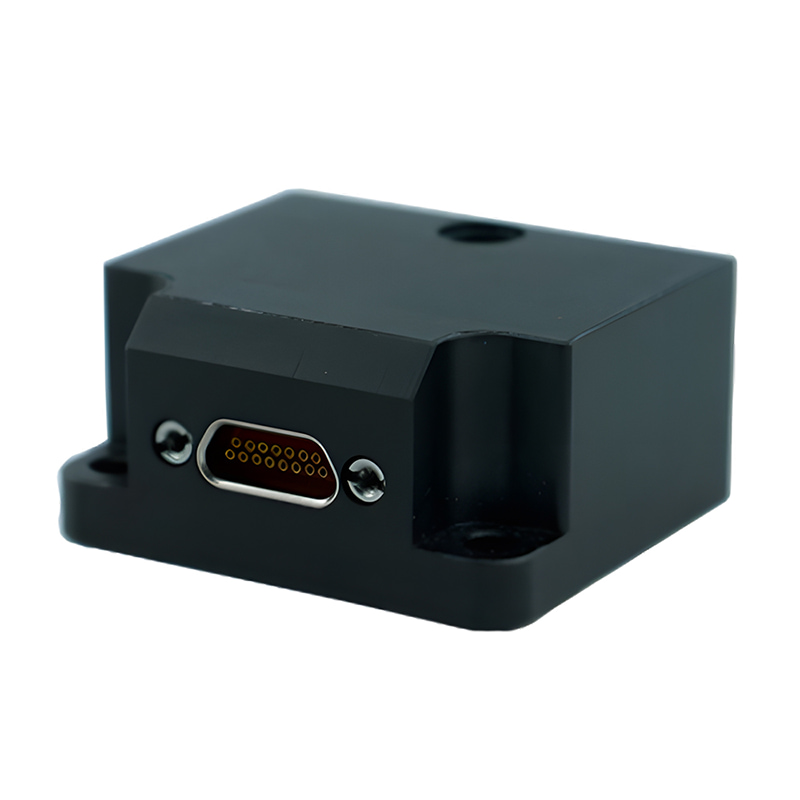
U7000系列高精度 MEMS-IMU 这是一款高可靠性、高性价比的六轴MEMS惯性传感器组合,可广泛应用于以惯性导航和姿态稳定性为代表的导航、控制和测量领域。该系列MEMS惯性测量单元可根据用户需求配置不同的软硬件。对于某些惯性导航应用,可使用高精度或高动态MEMS陀螺仪替代普通陀螺仪,以最大程度地满足不同用户的需求。
查看更多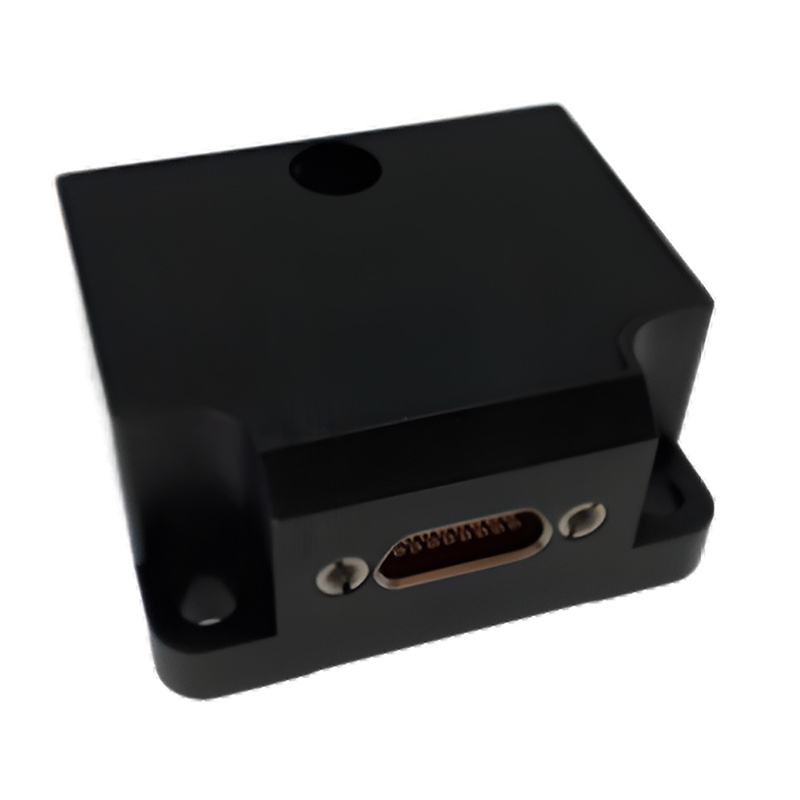
U5000 MEMS惯性测量模块是一款高可靠性、高性价比的六轴MEMS器件。 惯性测量模块U5000系列惯性测量模块广泛应用于车辆、船舶和无人机等导航、控制和测量领域。该系列模块将高性能MEMS陀螺仪和MEMS加速度计集成于独立结构中。系统选用的陀螺仪和加速度计代表了MEMS惯性器件领域的领先水平。三轴MEMS陀螺仪用于感知载体的角运动,而三轴MEMS加速度计用于感知载体的线加速度。该系统可在所有温度参数下对零点位置、比例因子、非正交误差和加速度相关项进行内部补偿,从而在长时间内保持高测量精度。 U5000系列惯性测量模块可根据用户需求配置不同的硬件和软件。
查看更多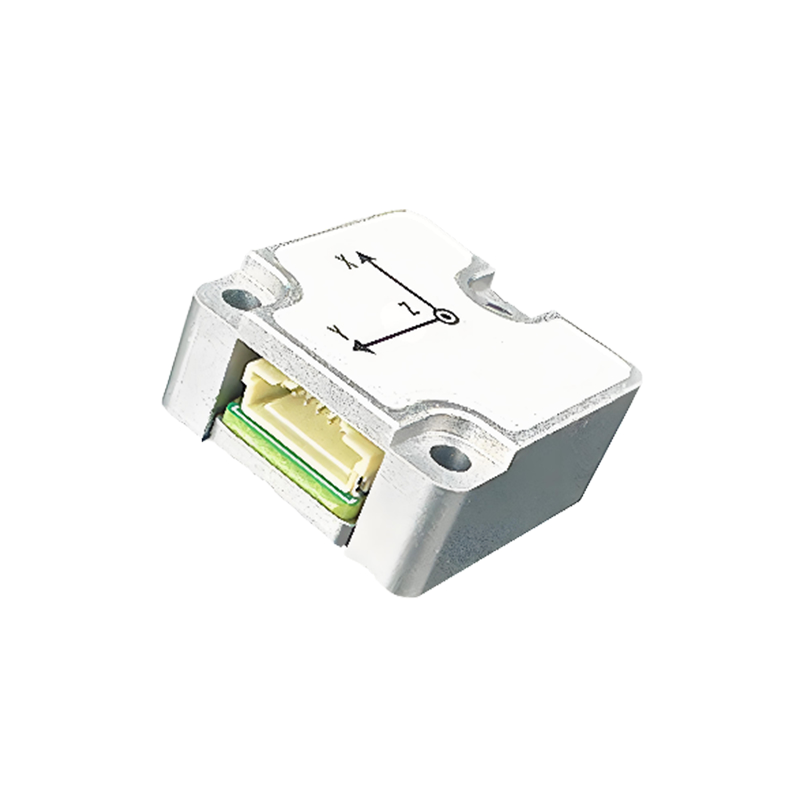
U3500系列是一款IMU/VRU/AHRS传感器,由高性能MEMS-IMU、磁力计和增强型单轴陀螺仪组成。它配备了自主研发的自适应扩展卡尔曼滤波器、IMU噪声动态分析算法和载体运动状态分析算法,能够在高动态条件下满足姿态角精度要求,并降低航向角漂移。 每个传感器在出厂前都会经过精细的补偿,包括温度、零点偏差、比例因子和交叉轴补偿。 U3500系列传感器通过UART接口传输数据,并具有丰富的用户配置选项。如果需要CAN接口,用户需自行集成CAN收发器电路。U3500系列可通过外部触发与系统同步,也可通过同步输出功能与雷达、摄像头等外部系统同步。多功能上位机(GUI)可帮助用户快速评估产品,功能包括但不限于模块配置、数据显示、固件升级、数据记录等。
查看更多留言